Run, Ride, Repeat: Smarter Urban Adventures

Stride to a station, hop on a train, then finish by foot again—today we explore mix-and-match travel that pairs running with public transit for quicker commutes, playful city exploration, and greener routines. Learn to plan dependable hybrid routes, balance sweat with civility, and transform schedules into freedom. From gear and etiquette to weather tactics, pacing, and training benefits, discover practical steps and joyful stories that prove you can see more, stress less, and still arrive on time feeling energized rather than rushed.

Planning Hybrid Routes That Actually Work

Start with the map, but also with your life: meeting times, transfer windows, and the realities of crowds and construction. A strong plan identifies start and finish options, alternate stations, and comfortable buffers. Build routes that flex when a bus is early, a train is crowded, or legs feel unexpectedly lively. Remember to add landmarks for joy, water for safety, and clear backups. Share your favorite combinations with us so the community can learn, adapt, and celebrate smarter city movement together.

Gear for Sweat and Seats

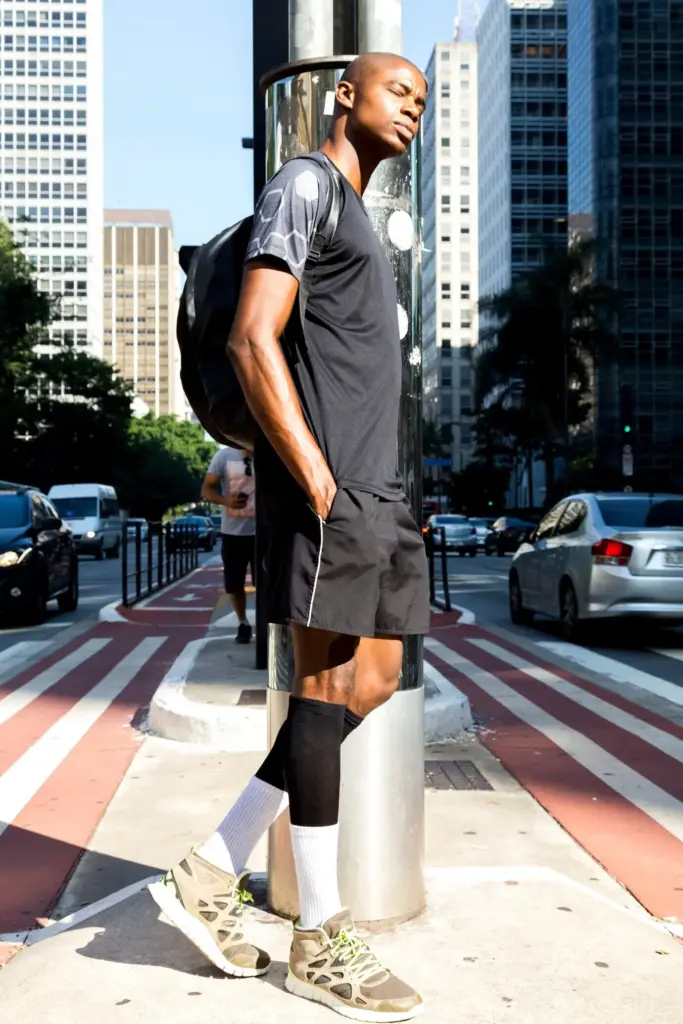
Dress for two environments: the road and the carriage. Choose quick-dry layers that breathe while running yet remain presentable when seated among riders. Pack compact wipes, deodorant, and a lightweight shell. Use a minimal vest or waist belt for fare cards, phone, and an ultralight towel. Prioritize low-bounce storage and reflective accents. Consider odor-resistant fabrics and a collapsible cap. The goal is comfort, courtesy, and readiness—arriving cool, composed, and considerate of people sharing the journey beside you.

Carry-Light Philosophy that Still Feels Complete

Aim for essentials that disappear while moving: a slim card holder, mini sunscreen, foldable water flask, and keys on a silent loop. Choose a vest with snug pockets and breathable mesh. Keep fabric weights low, seams soft, and bounce minimal. Test configurations on short runs before committing. Your kit should serve motion first, then station etiquette, never the reverse. When it all feels effortless, you’ll notice more skyline, smile more, and waste fewer mental calories juggling clutter.

Clean Arrival, Gracious Presence

Finish your interval, then restore composure quickly: pat dry with a tiny microfiber, swap into a light overshirt, and apply a travel-sized deodorant. Consider a small bandana for sweat and a resealable bag for damp gear. Sit or stand away from crowded doors, be mindful of airflow, and respect shared space. Your routine signals kindness without saying a word. Riders relax, you recover, and everyone gets where they’re going in better spirits and better air.

Shoes and Socks for Platforms and Puddles

Pick grippy outsoles that handle slick tiles and wet leaves without tantrums. Balance cushioning for concrete with responsiveness for surges toward closing doors. Moisture-wicking socks fight blister drama and keep things civilized on board. Consider darker colors for urban grime, reflective pops for dawn, and toe boxes that forgive expansion. Rotate pairs to dry completely. When footwear quietly handles noise, vibration, and surprise weather, your attention returns to pacing, timing, and the small city miracles along the way.

Headway-Aware Pacing That Feels Human

If trains come every five minutes, design a pace that welcomes a missed departure without emotional meltdown. When buses run every fifteen, aim for steadier efforts and wider cushions. Use landmarks to trigger micro-checks on time and breath. Respect crosswalk rhythms and pedestrians’ right of way. The more your pacing respects the clock without bowing to it, the more relaxed your mornings become, even when clouds, construction, or concerts create unexpected surges in the city’s heartbeat.

Buffer Math That Saves Mornings

Buffers are kindness to your future self. Add realistic minutes for platform approaches, pass-through lines, crowded stairs, and ticket gates. Then add one more minute. These margins reduce cascading stress, preventing rash decisions and unsafe bursts. Track actual versus planned times for a week, then adjust. Over time, your buffers shrink or shift intelligently, reflecting lived data rather than wishful thinking. Calm timing produces calmer conversations, healthier strides, and a reputation for arriving exactly when promised.

Safety, Etiquette, and Accessibility

Moving smoothly means protecting yourself and caring for others. Choose well-lit routes, avoid risky shortcuts, and keep headphones low near crossings. On board, give space, mind your gear, and prioritize seats for those who need them. Learn station layouts that minimize bottlenecks and respect mobility aids. Share your live location with a trusted contact when running at odd hours. Safety and courtesy multiply when modeled. Invite feedback, listen, and keep refining so our shared spaces feel welcoming and dependable.

Street Smarts Between Stops

Prefer wide sidewalks, active storefronts, and predictable intersections over shadowed alleys and complex merges. Make eye contact at crossings, signal turns with clear body language, and consider a small strobe or reflective ankle band at dawn. Keep valuables tucked, phone use minimal, and posture alert. The safest route is often the slightly longer one that feels sane. Share local red flags with friends, and accept theirs in return. Community awareness transforms isolated guesswork into shared vigilance and calmer strides.

Respectful Rider Behavior After a Hard Effort

Once aboard, cool down quietly: focus on breath, towel discreetly, and avoid leaning on others. Keep music sealed in your ears and gear contained. Offer seats when appropriate, and let people exit before entering. Courtesy is contagious; it shapes the microclimate of the car. Little rituals—zipping a pocket, stepping aside, thanking the operator—signal that sweat and civility can coexist. The journey feels more like a collective victory than parallel errands converging awkwardly in a steel tube.

Inclusive Strategies for Varied Abilities

Hybrid movement should welcome different bodies and needs. Scout elevators and ramps, verify platform gaps, and plan routes with steady surfaces. Consider run-walk intervals, poles, or adaptive devices. Partner up when visibility is low, and communicate intentions early. Celebrate progress measured by comfort, not only speed. Ask transit staff if unsure about boarding assistance. Inclusion expands possibilities and friendships, widening the circle of people who can enjoy these adventures. Share resources, celebrate milestones, and make adjustments without drama or delay.
Training Benefits Without Losing Joy

Blending running with transit can sharpen fitness while preserving freshness. Use trains as moving checkpoints for tempo segments, buses for warmup drop-offs, or ferries for celebratory cool-downs. Strengthen discipline by hitting scheduled departures relaxed rather than frantic. Mix strides near stations, easy miles between lines, and sightseeing detours that keep motivation high. Track effort, not ego. Invite friends to co-create routes, swap playlists, and share post-run coffee spots. Training improves faster when delight is part of the plan.

Weather, Seasons, and Contingencies

Forecasts shape strategy. Heat calls for earlier departures, shaded streets, and stations with reliable water. Cold demands layers that pack small yet block wind on platforms. Rain asks for cap brims, drainable shoes, and patience around slippery tiles. Build weather-specific buffers and backup lines. Save offline alerts for storms that cut service. Embrace seasonality: sunrise runs that glide into quiet cars, twilight jogs that end under neon. Share your weather hacks so others learn to adapt with grace.

Stories from the Run-Ride Community

Real experiences make the approach vivid and trustworthy. A sunrise sprint to a quiet platform, a rainy rescue by an on-time bus, a final hill crest before hopping a tram—these moments teach more than rules. Share your photos, route maps, and tiny triumphs in the comments. Invite friends to co-create routes and compare notes. Subscribe for future spotlights across different cities, and help us build a welcoming library of ideas that lowers barriers and raises smiles everywhere.

Transit APIs and Practical Phone Discipline

Choose apps that offer reliable headways, service alerts, and clear station exits. Enable only essential notifications to reduce decision fatigue. Preload areas for offline use, and log actual transit times against predictions to sharpen future plans. Keep brightness low, use airplane mode during runs, and set a single emergency contact shortcut. When your phone becomes a quiet partner instead of a demanding boss, your runs feel freer, your rides calmer, and your outcomes surprisingly more consistent.

Wearables That Guide, Not Dictate

Program simple cues—vibration for pace windows, tone for time checks—and silence everything else. Use breadcrumb navigation near unfamiliar stations, then switch off. Let effort and context drive choices, not relentless numbers. Sync afterward, analyze patterns, and tweak buffers thoughtfully. The watch should amplify situational awareness rather than flood it. If technology ever raises stress, scale back. Share which settings kept you present and punctual, helping others craft interfaces that serve movement, courtesy, and delight simultaneously.
Lipazukexizemi
Privacy Overview

This website uses cookies so that we can provide you with the best user experience possible. Cookie information is stored in your browser and performs functions such as recognising you when you return to our website and helping our team to understand which sections of the website you find most interesting and useful.